浮美术馆 | 我认识的杨卫 - 林彬
2026-10-29 14:43:35

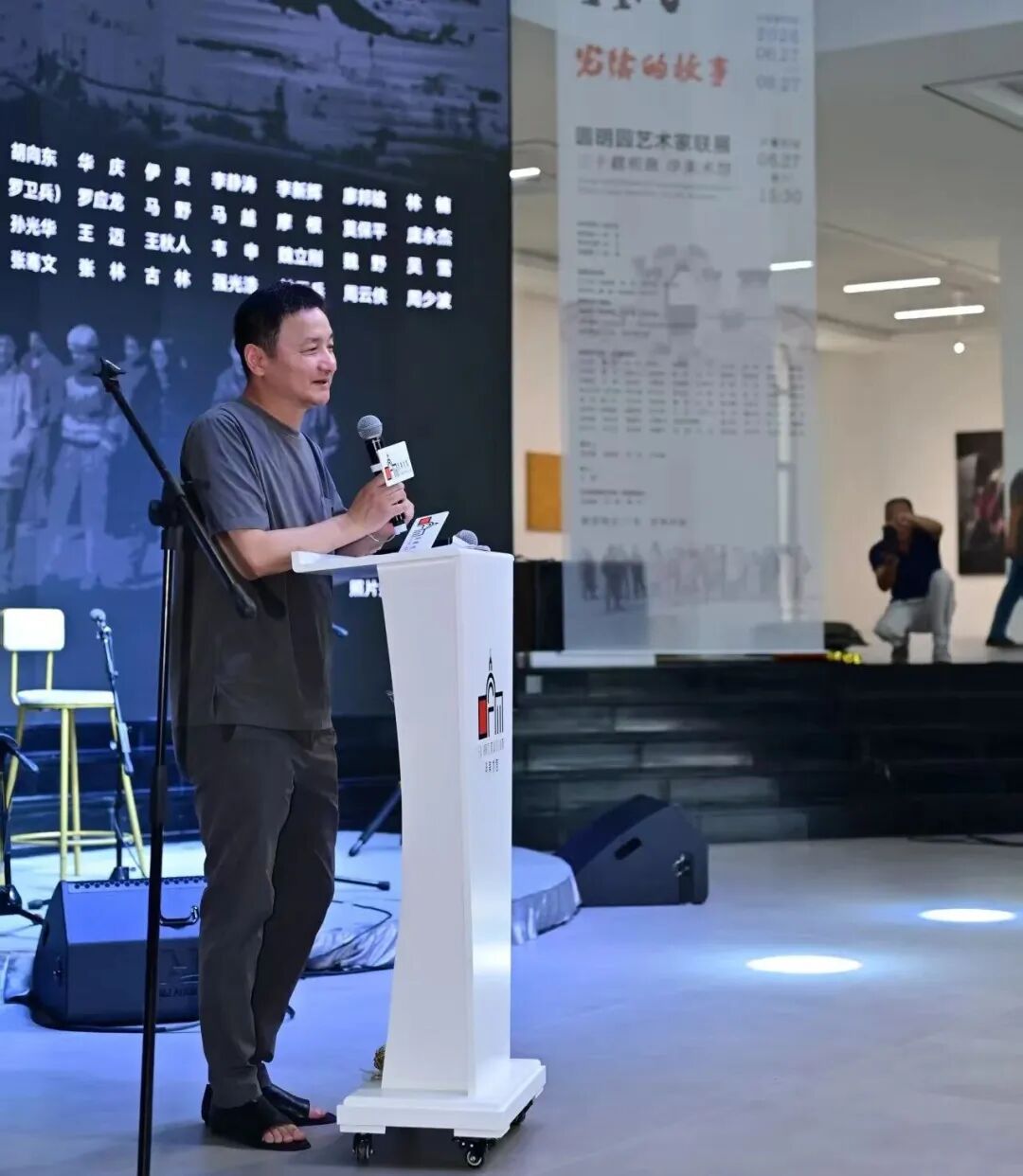
我认识的杨卫
( 文 | 林彬 )
昨日与畅泉驾车回东莞。途中,畅泉侧着身子对我说:“我发现你最近常提起杨卫。说来也怪,我竟也越来越喜欢他了”。
今日看到浮美术馆的杨卫视频,忽然有想写一点关于杨卫的文字。
但凡识得杨卫的人,大抵都能从他身上嗅出两种截然不同的气味:江湖气与书生气。事实上他骨子里潜藏着圆明园草莽时代的野性,如同一株在荒郊任凭风吹、肆意抽条的野草。可一旦步入学术领域,他能瞬间沉静下来,去厘清那些繁复的艺术史脉。江湖的温度与学术的理性,就这般自然地安住在同一个人身上。这两股看似相悖的力量,在他体内交织缠绕,拉拽出一种独特的生命体态。
Yesterday, Changquan and I drove back to Dongguan. Halfway through the ride, he turned sideways toward me and said, “I’ve noticed you’ve been talking about Yang Wei a lot lately. Strangely enough, I’ve grown fonder of him too.”
Today, while watching a video of Yang Wei from the Fu Art Museum, I suddenly felt compelled to write something about him.
Nearly everyone who knows Yang Wei can sense two distinct qualities emanating from him: a worldly‑roguish streak and a scholarly temperament. Deep down lies the wild spirit forged in the unruly days of Yuanmingyuan, like a wild plant sprouting freely in the open wilderness, swaying to wind and weather. Yet once he steps into academic territory, he instantly grows composed, untangling the intricate threads of art‑historical lineage.
The warmth of worldly experience and the rationality of scholarship coexist naturally within one man. These two seemingly contradictory forces intertwine and tug at one another inside him, shaping his singular way of being.
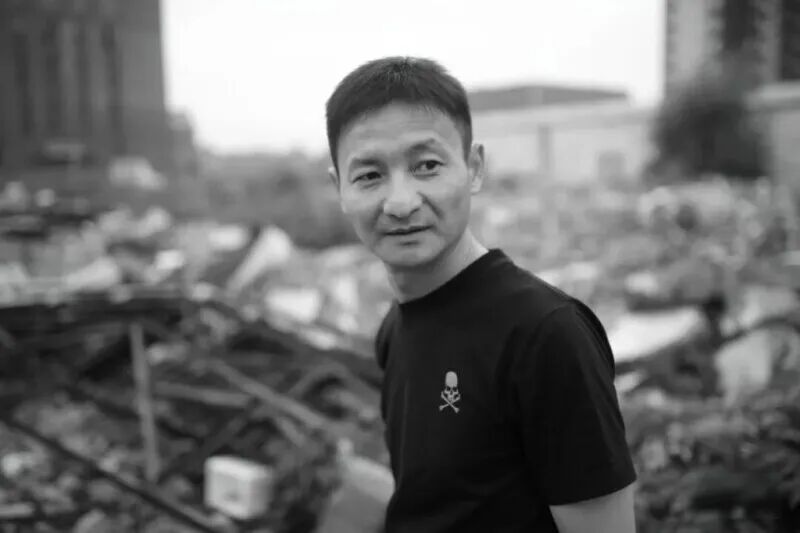
九十年代初,二十出头的杨卫凭着一腔孤勇叩响了京城的大门。彼时的他,在圆明园画家村里不过是个初出茅庐的后生。相较于那些身上刻满时代深痕的“前辈”,杨卫尚无过多的社会浸染。
他几乎是全身心地扎根于圆明园这片荒凉且炽热的土地深处自然抽芽。他在简陋的屋舍里安身,背着画架穿行于京城的艺术角落,在理想与现实的缝隙间体味着流浪艺术家的精神镇痛。这种身居草莽却心系表达的经历,构成了他日后批评与策展生涯的核心基因。
在艺术圈这个名利场中,关于杨卫的评价从来都不是单一的。圈内质疑的声音,大多指向他在策展与批评中的“江湖气”。也有人嫌他理论架构过于随意,侧重情面与人情往来。亦有人揣测他从纯粹的创作青年转向批评家与策展人,是在商业与学术之间做出了某种让步。
In the early 1990s, in his early twenties, Yang Wei knocked on the gates of Beijing driven by sheer courage. Back then, he was merely a newcomer in the Yuanmingyuan Artists’ Village. Compared with those “senior artists” deeply marked by the era, Yang Wei had yet to be heavily shaped by worldly experience.
He threw himself heart and soul into the desolate yet fervent land of Yuanmingyuan, sprouting naturally from within it. He made his home in shabby lodgings, wandered through Beijing’s art‑scene corners with his easel slung over his shoulder, and endured the spiritual anguish of a wandering artist caught between ideal and reality. This experience — living on the fringes yet burning with the urge to express himself — formed the core DNA of his later career as an art critic and curator.
Within the art world, a realm of fame and gain, opinions about Yang Wei have never been monolithic. Critical voices from the circle mostly target his “worldly‑roguish streak” in curatorial practice and art criticism. Some take issue with his loose theoretical framework, arguing that he gives too much weight to personal connections and human relationships. Others speculate that his shift from a dedicated creative artist to a critic and curator represented a kind of compromise between commercial interests and scholarship.
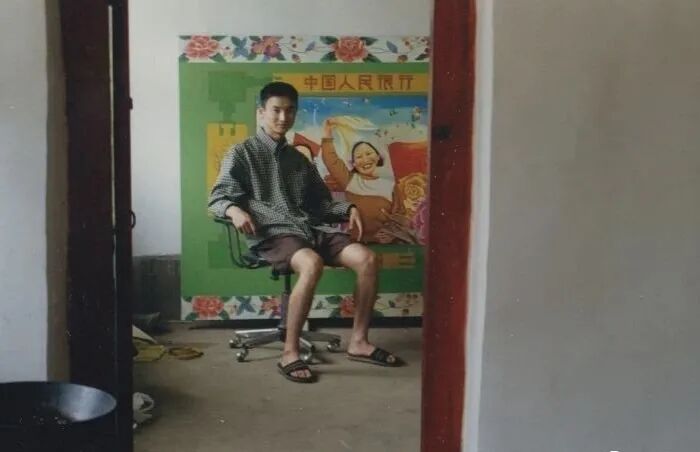
杨卫在宋庄自己的房子里,1996年
然而,与杨卫面对面谈起圆明园那段往事时,你便会理解,那种被外人误读的“江湖气”,恰恰是他最真实的温情。
在浮美术馆“再述光阴——圆明园画家村历史·口述”期间,杨卫作为学术主持与发起人之一,展现出一种极为难得的真诚。他没有摆出高高在上的姿态,亦未用冷冰冰的后现代学术话语去套用那段历史。相反,他宛如一位忠实的记录者,细细梳理着那些曾一同漂泊过的艺术家命运。
有人批评杨卫“重情轻理”,但我所见到的,却是一位经历了中国当代艺术三十余年巨变后,依然愿意为旧日同行举灯照路的守望者。
Yet when you talk to Yang Wei in person about the Yuanmingyuan years, you come to understand that this so‑called “worldly‑roguish streak”, so often misread by outsiders, is in fact his most genuine warmth.
During Retelling Time: Oral Histories of the Yuanmingyuan Artists’ Village at Fu Art Museum, Yang Wei served as one of the academic hosts and initiators. He displayed a rare sincerity. He assumed no lofty posture, nor did he force cold post‑modern academic jargon onto that chapter of history. Instead, like a faithful chronicler, he carefully sorted out the fates of artists who had once drifted alongside him.
Some have criticized Yang Wei for “valuing sentiment over reason”. What I see, however, is a watchman who, after living through more than three decades of sweeping transformations in Chinese contemporary art, still holds up a lamp to light the way for his old peers.
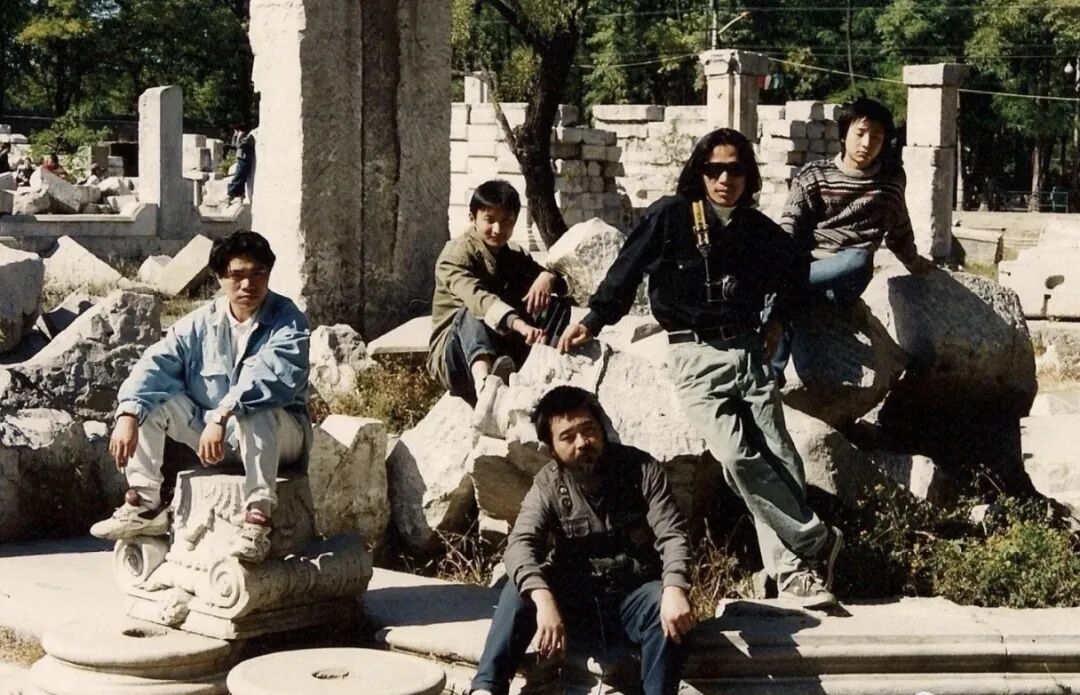
杨卫(后排左2)和刘彦(前)、游湘云(左1)、刘辉(左3)、王迈(左4)在圆明园,徐若涛摄于1995年
从画架走向批评席,变的是身段,不变的是对人世命运的深刻体察。
以下视频里的杨卫,坐在镜头前,谈起当年因胃溃疡返乡养病的坎坷,谈起圆明园上空飘荡的艺术幽灵,眼神里依然闪烁着当年那个毛头小子的赤诚。
杨卫或许不符合某些学院派眼中完美无瑕的标准,但他用脚步丈量过当代艺术最接地气的草莽时代,用文字与指导策展为一段不可复制的集体记忆留下了最温热的档案。
在我眼里,杨卫不只是一个名字或一个符号。他是那段激情燃烧岁月的活化石,也是当代艺术荒野里,一位带着烟火气与侠骨柔情的同行者…………
From holding an easel to taking a seat among art critics, what changed was his role, yet what remained was his profound insight into human lives and destinies.
In the video, Yang Wei sits before the camera, recalling his hard‑knock days when he returned home to recover from a gastric ulcer, and speaking of the artistic specters that once hovered over Yuanmingyuan. His eyes still glisten with the sincerity of that brash young man from long ago.
Yang Wei may not fit the flawless ideal held by some academic circles. Still, he has walked the ground‑level, unruly era of contemporary art. Through his writings and curatorial guidance, he has preserved the warmest archive of an irreplaceable collective memory.
To me, Yang Wei is far more than a name or a symbol. He is a living fossil of those passionate, fiery years, and also a fellow traveler in the wilderness of contemporary art — one imbued with worldly warmth, chivalry and tender sentiment …………
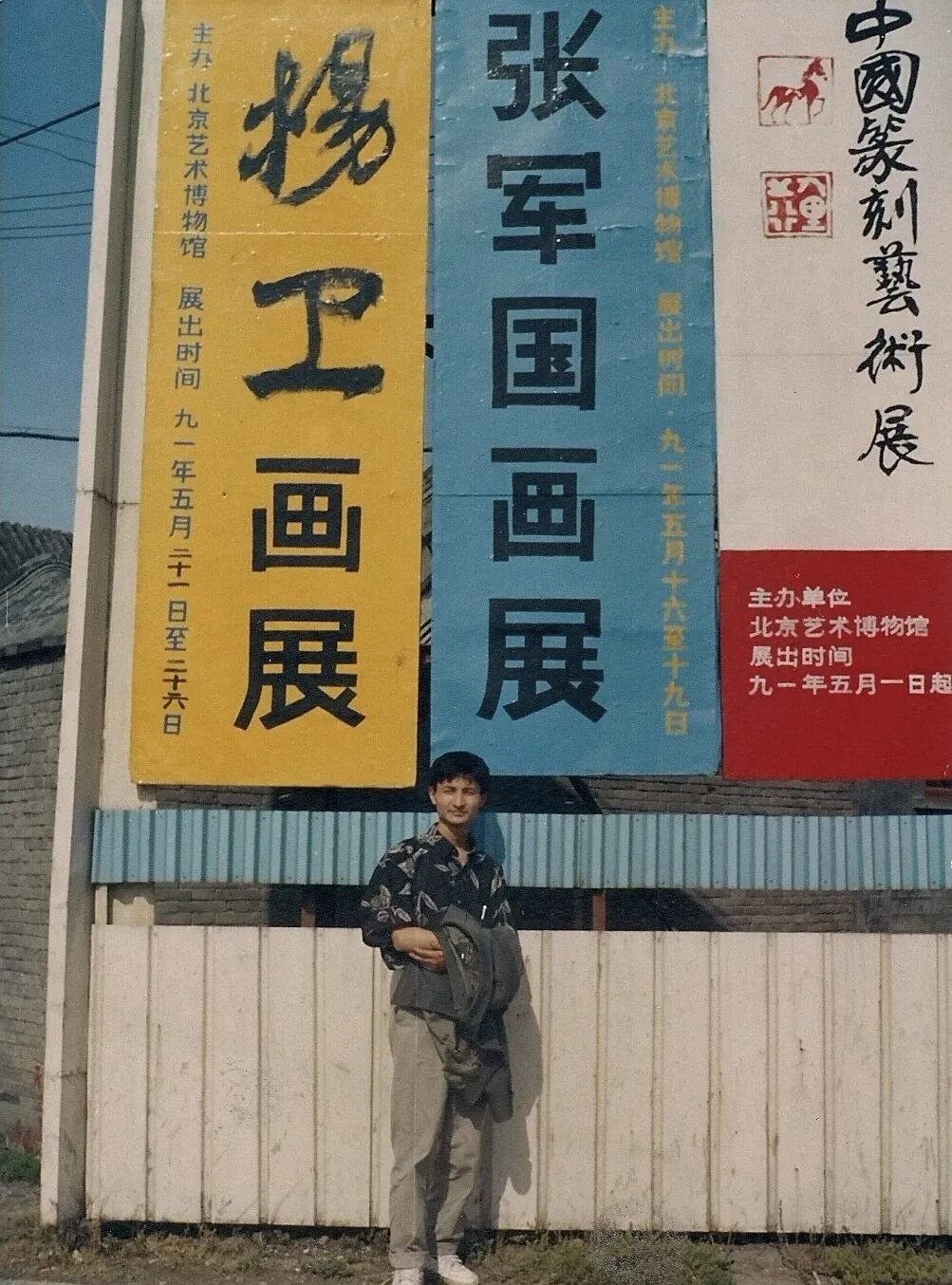
杨卫在北京艺术博物馆举办个展时留影
1991年
FU ART SPACE
Fu International Contemporary Art
A contemporary art
exhibition and exchange platformfacing
the world

▲点击关注 浮当代艺术 更多国内外艺术咨询